



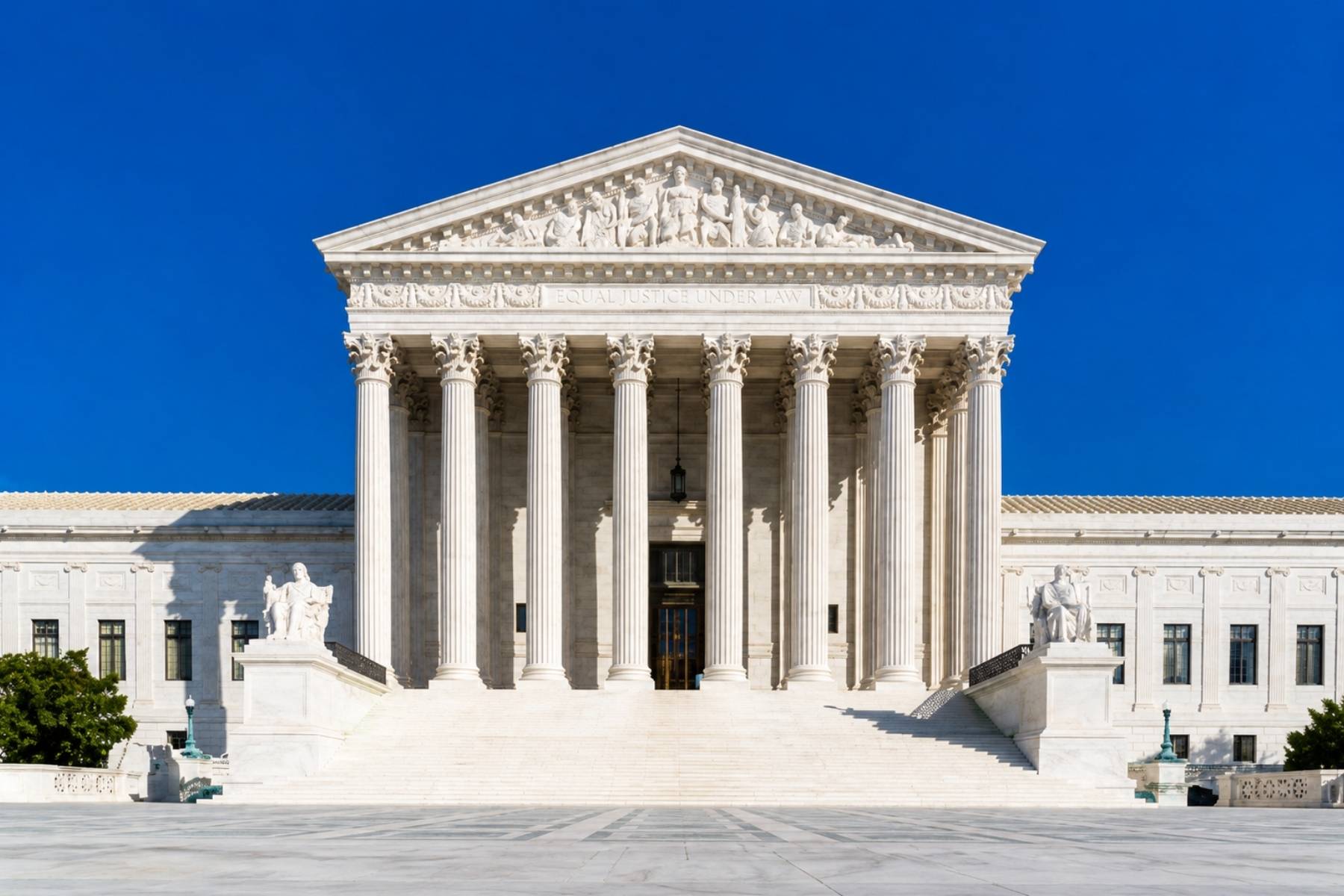

The U.S. Supreme Court on Tuesday rejected President Donald Trump’s attempt to end automatic birthright citizenship, ruling that the Constitution guarantees U.S. citizenship to nearly all children born on American soil — even if their parents are in the country illegally or on temporary visas.
In the court’s majority opinion, Chief Justice John Roberts said the Citizenship Clause of the 14th Amendment leaves little room for interpretation.
“The children born of parents unlawfully or temporarily present in the United States satisfy both elements of the Citizenship Clause,” Roberts wrote. “Under the Constitution, they are citizens at birth.”
The decision leaves intact a longstanding constitutional interpretation dating back more than 125 years. The court pointed to its 1898 ruling in United States v. Wong Kim Ark, which established that birth in the United States generally confers citizenship regardless of a parent’s immigration status.
Roberts wrote that the authors of the 14th Amendment deliberately adopted the principle of birthright citizenship in the aftermath of the Dred Scott decision, which denied citizenship to Black Americans. He dismissed the administration’s argument that citizenship should hinge on whether a child’s parents owe primary allegiance to the United States, saying neither the Constitution nor its history supports that position.
Trump signed the executive order on his first day after returning to office. The directive sought to deny automatic citizenship to children born in the U.S. to parents who were either in the country unlawfully or only temporarily. Multiple federal judges blocked the policy before it could be implemented.
Justice Samuel Alito strongly disagreed with the majority, calling the ruling “one of the most important decisions in the history of the Court” and warning it would have far-reaching consequences.
Alito argued that the 14th Amendment was never intended to grant citizenship to everyone born within U.S. borders. Instead, he said it should apply only to children whose allegiance belongs solely to the United States at birth.
In his dissent, Alito raised the hypothetical example of a child born in America to a mother who briefly entered the country before returning to a nation hostile to the United States. Under the court’s ruling, he wrote, that child would remain an American citizen for life, entitled to a U.S. passport and constitutional protections even if they later acted against the country’s interests.
Justice Brett Kavanaugh agreed the executive order could not take effect but reached a different conclusion. Rather than finding it unconstitutional, he said the order conflicts with existing federal law and noted that Congress has the authority to change the law or create exceptions if lawmakers choose.
Justices Clarence Thomas and Neil Gorsuch also dissented, arguing the majority misread the original meaning and historical intent of the 14th Amendment.
After the ruling, Sen. Rand Paul said he plans to continue pursuing legislative changes.
“The Supreme Court’s decision on birthright citizenship is disappointing,” Paul posted on X. “That’s why I’ve already filed an amendment to end birthright citizenship for those here illegally. I’ll keep fighting to protect the integrity of American citizenship.”