


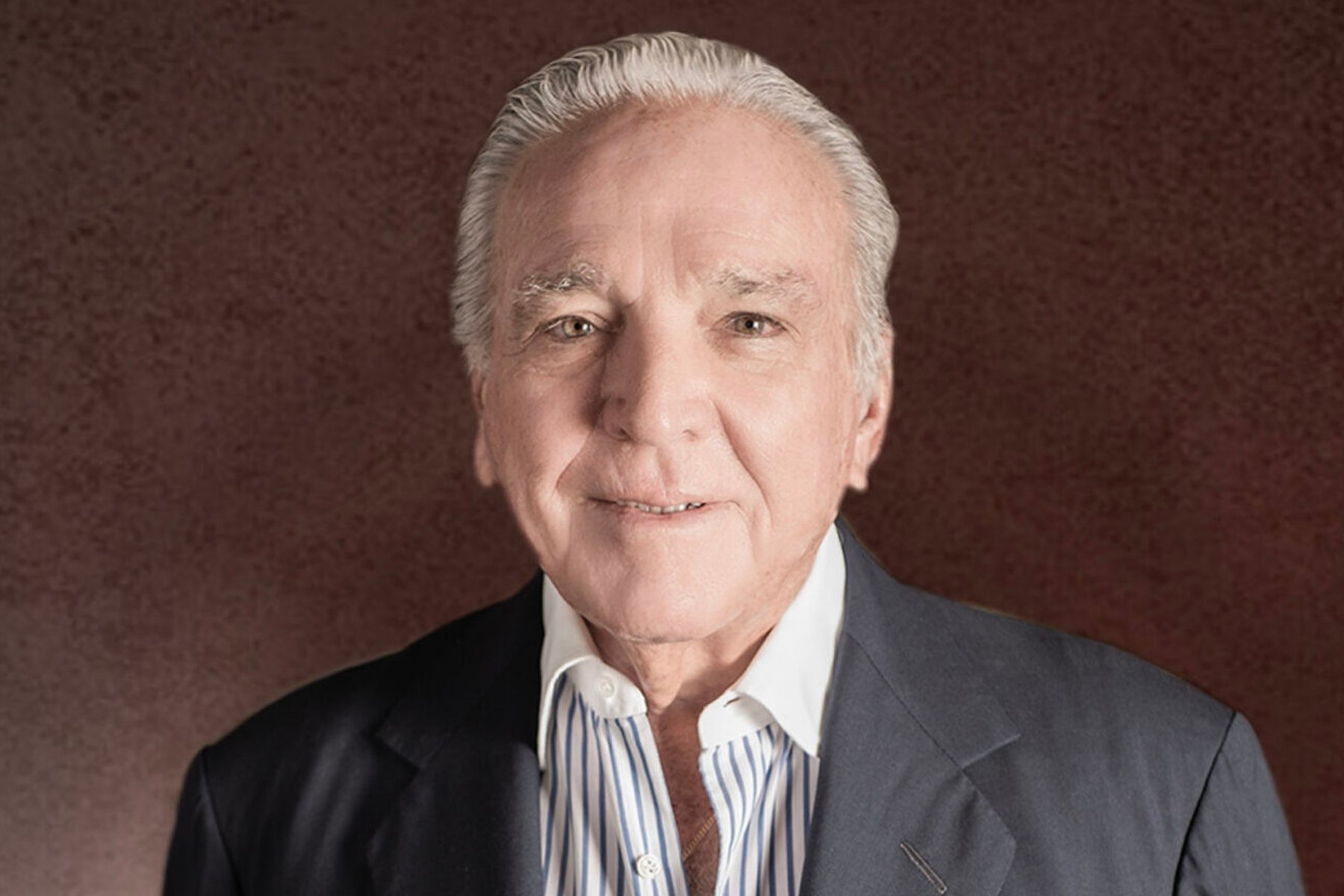
Alfonso “Alfy” Fanjul Jr., the Cuban-born billionaire who fled Fidel Castro’s revolution, rebuilt his family’s sugar fortune in the United States and helped create one of the world’s most influential sugar and agribusiness empires, died Aug. 3 in South Florida. He was 89.
His death marks the end of an era for a family whose business interests reshaped the sugar industries of both Florida and the Dominican Republic while leaving an enduring imprint on Palm Beach philanthropy, Caribbean tourism and American agriculture.
Born in Havana on Sept. 8, 1936, Mr. Fanjul was heir to one of Cuba’s oldest sugar dynasties. His father, Alfonso Fanjul Sr., and mother, Lillian Rosa Gómez-Mena, came from prominent sugar-producing families whose holdings included vast plantations, mills and real estate across the island.
That world disappeared almost overnight after Fidel Castro’s 1959 revolution. The new communist government seized the family’s businesses and land without compensation, forcing the Fanjuls into exile. Like thousands of Cuban refugees, they arrived in the United States with little more than their experience and determination.
Rather than retreat, the family began again in western Palm Beach County.
Working alongside his brothers José “Pepe,” Alexander and Andrés, Mr. Fanjul helped transform Florida Crystals from a modest agricultural venture into one of the nation’s largest privately held sugar companies. Today, the company farms more than 190,000 acres in Florida and, through its affiliated ASR Group, owns some of the world’s best-known sugar brands, including Domino Sugar, C&H Sugar, Tate & Lyle, Redpath, Sidul, Lyle’s Golden Syrup and Whitworths.
Although Forbes estimated Mr. Fanjul’s personal fortune at more than $1 billion, he described himself as a farmer.
His influence expanded dramatically in 1984 when the Fanjul family acquired control of Central Romana Corporation in the Dominican Republic. As chairman and later co-chief executive alongside his brother Pepe, Mr. Fanjul oversaw the company’s evolution from a sugar producer into one of the Caribbean’s largest and most diversified private enterprises.
Central Romana expanded into tourism, luxury real estate, free-trade zones, livestock, food production, construction materials, logistics and transportation. Among its signature developments were Casa de Campo Resort & Villas, La Romana International Airport, Casa de Campo Marina and the La Romana cruise terminal—projects that helped transform the country’s eastern coast into one of the Caribbean’s premier luxury destinations.
Even as the company diversified, sugar remained at its core. During the 2024-25 harvest, Central Romana processed more than 3.2 million short tons of sugarcane, producing nearly 307,000 short tons of sugar, including more than 180,000 tons of refined sugar.
Mr. Fanjul maintained a close personal connection to the Dominican Republic and frequently stayed at Casa Grande, his residence at Casa de Campo, where he hosted political leaders, business executives and international dignitaries. His final visit to the country came little more than a month before his death.
In September 2024, Central Romana announced a generational transition, appointing José Fanjul Jr. as chairman while Alfonso and José remained co-chairmen of the board and co-chief executive officers.
Beyond business, Mr. Fanjul became one of Palm Beach’s most prominent philanthropists. His charitable giving supported Catholic Charities of the Diocese of Palm Beach, the Preservation Foundation of Palm Beach, the University of Miami and numerous hospitals, educational institutions and civic organizations throughout South Florida and beyond.
His leadership in agriculture earned him and his brother induction into the Florida Agricultural Hall of Fame in 2018.
Bishop Manuel de Jesús Rodríguez remembered Mr. Fanjul as “a man of exemplary moral character whose extraordinary entrepreneurial vision was matched by a deep commitment to the common good,” praising his generosity and the opportunities he created for working families in both Florida and the Dominican Republic.
Among Cuban exiles, Mr. Fanjul occupied a singular place. Many credited him and his family with preserving Cuba’s sugar heritage after the revolution dismantled an industry that had long defined the island’s economy. While the Fanjuls generally avoided the public political profile embraced by some exile leaders, they became one of America’s most politically connected business families, cultivating relationships with presidents of both parties while advocating for policies supporting domestic sugar production.
Affectionately known simply as “Alfy,” he combined quiet sophistication with relentless business discipline, helping build an enterprise that stretched across agriculture, energy, real estate and tourism while remaining rooted in the industry that defined his family’s history.
Mr. Fanjul is survived by his wife, Raisa; his brothers; and his extended family. Funeral arrangements have not been announced.