




The fragile ceasefire between the United States and Iran appears to be over.
President Donald Trump declared Wednesday that the preliminary peace agreement reached just weeks ago is effectively dead after ordering overnight airstrikes on roughly 80 Iranian targets in response to attacks on commercial ships in the Strait of Hormuz.
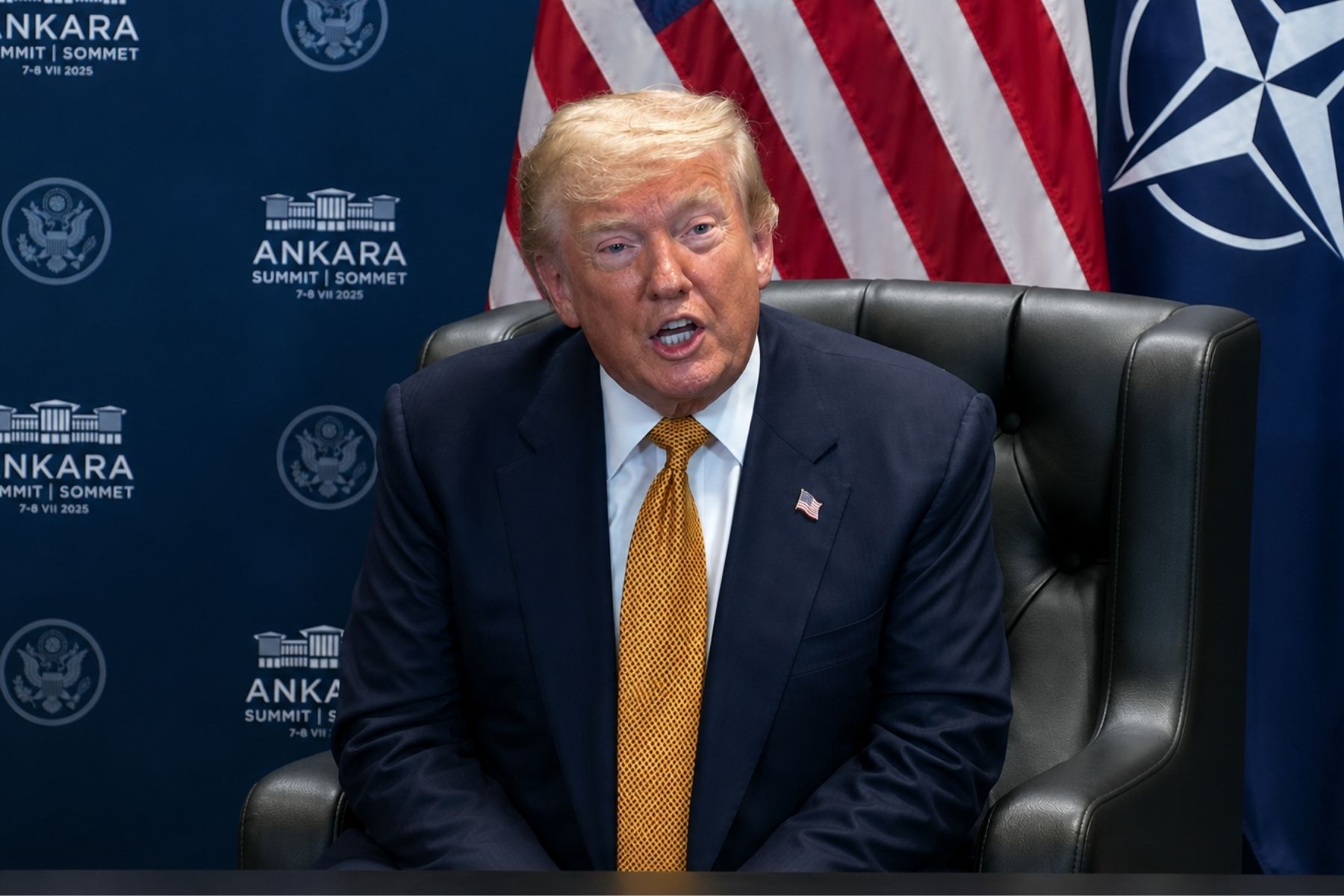
“I think it’s over,” Trump said while attending the NATO summit in Turkey. “I don’t want to deal with them anymore. They’re scum.”
The agreement, signed June 17, was intended to create a 60-day pause in hostilities while both sides negotiated the future of Iran’s nuclear program and worked toward reopening the Strait of Hormuz. But that effort unraveled after Iran attacked three commercial vessels and sought greater control over one of the world’s most important shipping lanes.
Trump’s response marked a dramatic escalation. Beyond the strikes, he warned the U.S. could target more Iranian infrastructure, reimpose a naval blockade, or even seize Kharg Island, the export hub that handles about 90% of Iran’s oil shipments.
Iran showed no signs of backing down. Parliament Speaker Mohammad Bagher Ghalibaf rejected Trump’s threats, declaring that “the era of bullying and extortion is over.”
The collapse of the agreement raises fears that the conflict could shift from limited military strikes to a prolonged confrontation. Any disruption in the Strait of Hormuz—which carries roughly one-fifth of the world’s oil supply—could send energy prices soaring and rattle global markets. Brent crude climbed sharply after Trump’s remarks, while U.S. stock futures tumbled.
Despite declaring the deal finished, Trump left a small opening for diplomacy, saying negotiators could continue talking if they wanted. His broader message, however, was unmistakable: the ceasefire is over, military pressure is back, and the next move now rests with Tehran.